Case Study 1
Boutique Hotel (Hot-Water System)
Challenge
Guest complaints about “lukewarm showers” led to a temperature audit. Routine water sample taken from distal outlets showed Legionella spp. 380 CFU/L.
Client
48-room boutique hotel
Location
Urban city center
System at risk
Domestic hot-water (calorifier + recirculation)
Results after assessment
-
Calorifier setpoint only 48 °C (below the ≥60 °C best practice at storage).
-
Dead-legs from removed laundry line (~12 m).
-
TMVs downstream mixing to 41 °C but no scalding policy or checks.
Intervention
- Raised storage to 65 °C; ensured return loop ≥55 °C.
- Removed dead-legs; balanced recirculation loop.
- Shock pasteurisation (“thermal disinfection”) followed by point-of-use flushing plan.
- TMV servicing schedule + weekly temperature sentinel checks.
Outcome (6 weeks)
-
Post-remediation samples: <10 CFU/L (ND on two of three sites).
-
Hot-water at sentinels: 60–63 °C; return 56–57 °C.
-
Guest hot-water complaints dropped to zero.
Lesson
Simple setpoint and hydraulic fixes, plus routine verification, can rapidly reduce risk and cost less than reactive call-outs.
Case Study 2
District Hospital (Potable + Showers)
Challenge
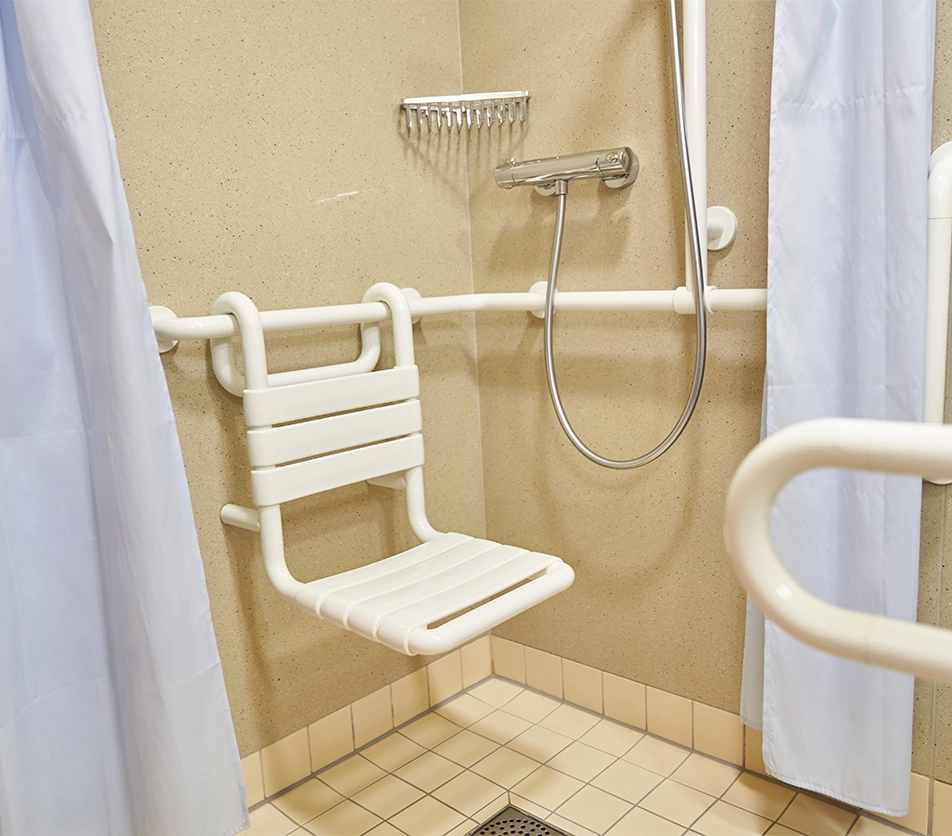
Two suspected hospital-acquired pneumonia cases triggered screening. Pre-flush samples from ICU showers showed L. pneumophila detected (120 CFU/L).
Results after assessment
-
Cold-water entering building at 24–26 °C (warm ambient + roof tanks).
-
Infrequently used showers in step-down ward.
-
Inconsistent filter changes on point-of-use (POU) shower heads.
Interventions
- Installed POU 0.2 µm filters at identified high-risk outlets (ICU/oncology).
- Reconfigured storage tanks with shade & insulation; added UV on cold main to wards.
- Implemented enhanced flushing regime & commissioning checklist for new wings.
- Introduced a Legionella Water Safety Plan and monthly microbial trend reviews.
Outcome (3 months)
-
All ICU outlets ND for Legionella across three consecutive monthly rounds.
-
Cold main temperature lowered from 24–26 °C → 16–18 °C.
-
No further suspected cases linked to water system.
Lesson
For immunocompromised settings, engineering + POU filtration + strict operational control is essential, not optional.
Case Study 3
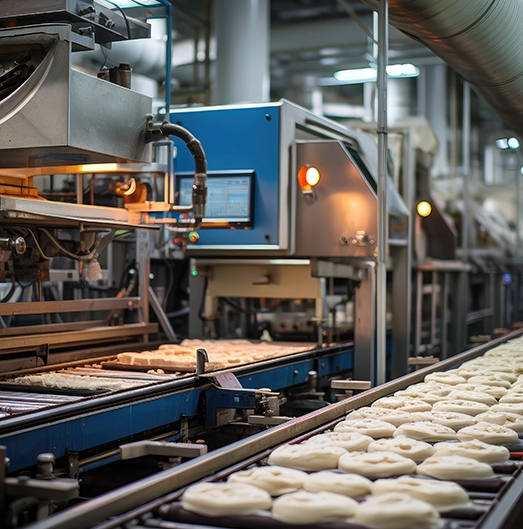
Food Factory (Cooling Towers)
Challenge
Regulatory inspection flagged visible scale and drift; dip-slide counts high. Tower basin sample: Legionella spp. 1,400 CFU/L.
Client
Beverage manufacturer
Location
Food Factory
System at risk
Two induced-draft cooling towers
Results after assessment
-
Biocide dosing pump out of calibration; inconsistent oxidising/non-oxidising rotation.
-
Poor bleed-off control; cycles of concentration >6 causing scale & biofilm.
-
Drift eliminators aged and cracked.
Interventions
- Introduced automated conductivity-based bleed and biocide control with remote alarms.
- Alternating oxidising/non-oxidising biocides; shock dose & clean.
- Replaced drift eliminators; descaled fill packs; improved side-stream filtration.
- Weekly site checks; monthly L8-style logbook with KPI dashboard.
Outcome (8 weeks)
-
Legionella reduced to <10 CFU/L (ND on repeat).
-
Make-up water usage down 18% via stable cycles at 3.5–4.0.
-
Unplanned downtime: 0 hours in following quarter.
Lesson
Automated controls and a disciplined biocide rotation keep towers compliant and efficient.
Case Study 4
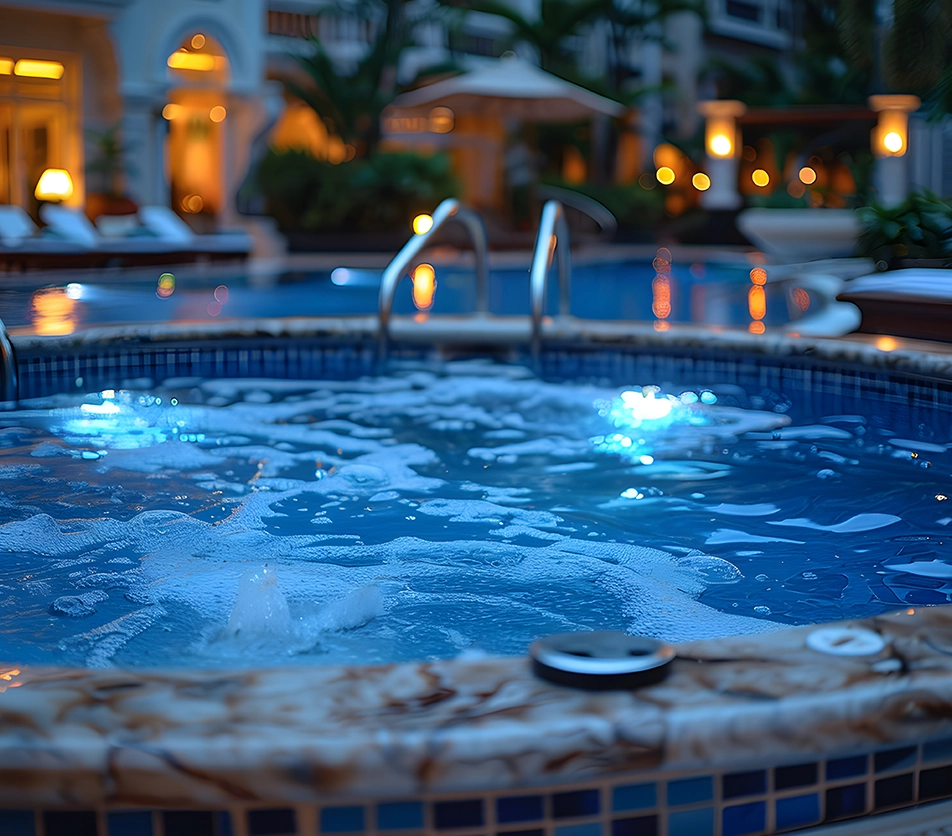
Fitness Club & Spa (Whirlpools)
Challenge
Customer reported “strong chlorine smell” and irritation. Heterotrophic plate counts high; Legionella detected (60 CFU/L) in balance tank.
Results after assessment
-
Inadequate turnover; filters undersized for bather load.
-
ORP probe fouled; manual logs inconsistent.
-
Waterline biofilm and hidden surfaces not part of cleaning SOP.
Interventions
- Re-engineered hydraulics to achieve 15-minute turnover; upsized filtration.
- New automatic dosing with verified ORP/pH sensors and daily validation.
- Deep clean & biofilm removal protocol; weekly closure window for maintenance.
- Staff training + laminated quick-check SOP at plant room.
Outcome (4 weeks)
-
Legionella ND; HPC within targets.
-
Complaints dropped to zero; member satisfaction (NPS) +12 points.
-
Health inspector sign-off on first revisit.
Lesson
In high-aerosol leisure water, hydraulics and housekeeping matter as much as disinfectant levels.
Case Study 5
Retirement Village (Mixed-Use Campus)
Challenge
Planned refurbishment revealed intermittent scalding and some taps with 35–40 °C hot water. Screening found Legionella 95 CFU/L at distant block.
Client
210-unit senior living community
Location
Senior living community
System at risk
Distributed hot-water with solar pre-heat + electric boosters
Results after assessment
-
Solar pre-heat loop sometimes stagnated on overcast days; booster controls not prioritised.
-
Oversized ring mains with low flow; several apartments unoccupied (stagnation).
-
TMVs installed but not performance-tested.
Interventions
- Control strategy update: booster priority when solar <60 °C; verify return ≥55 °C.
- Loop balancing and installation of low-flow auto-flushing valves on long legs.
- TMV testing & replacement; resident comms on flushing after long absences.
- Quarterly Legionella monitoring at sentinels + occupancy-based flushing plan.
Outcome (10 weeks)
-
All sentinels ND on two consecutive rounds.
-
Energy use –9% thanks to smarter solar/booster sequencing.
-
Zero scalding incidents; consistent outlet temps (45–50 °C after TMVs).
Lesson
For campuses with variable occupancy, dynamic controls and smart flushing are key to safety and efficiency.