What is Legionella?
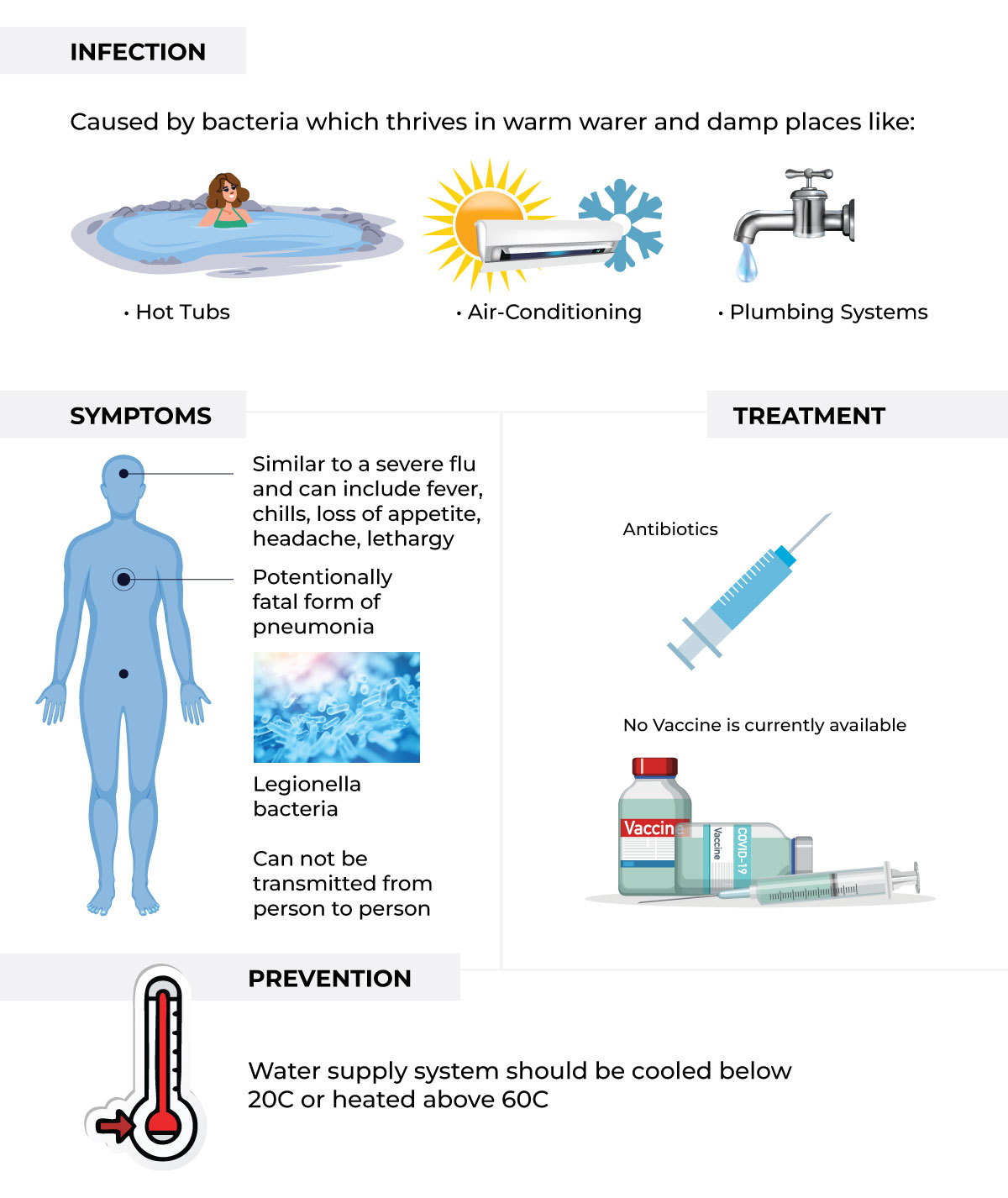
Legionella is a type of gram-negative bacteria that thrives in warm, stagnant water environments, such as cooling towers, hot tubs, and plumbing systems, and can cause a severe form of pneumonia known as Legionnaires’ disease.
First identified after a 1976 outbreak at an American Legion convention in Philadelphia, Legionella pneumophila is the primary species responsible for human infections, though other species exist. The bacteria are transmitted through inhalation of contaminated water droplets, not person-to-person contact, and pose a significant risk to vulnerable populations, including the elderly, immuno-compromised individuals, and smokers.
Understanding Legionella’s biology, transmission, and prevention is critical for managing risks in water systems and protecting public health. H2Pro representatives have had internationally recognized training (LCA 9011 – City & Guilds) and has years of experience in preventative measures and maintaining water network systems.


Legionella poses a serious risk to public health and business operations, with outbreaks potentially leading to severe pneumonia, regulatory scrutiny, and reputational harm.
At H2Pro, we recognize the challenges facility managers face in maintaining safe water systems. Our expert risk assessments and tailored solutions align with South African regulations like SANS 893-1:2017, helping you identify vulnerabilities and implement proactive measures – ensuring occupant safety and operational resilience without the burden of uncertainty.
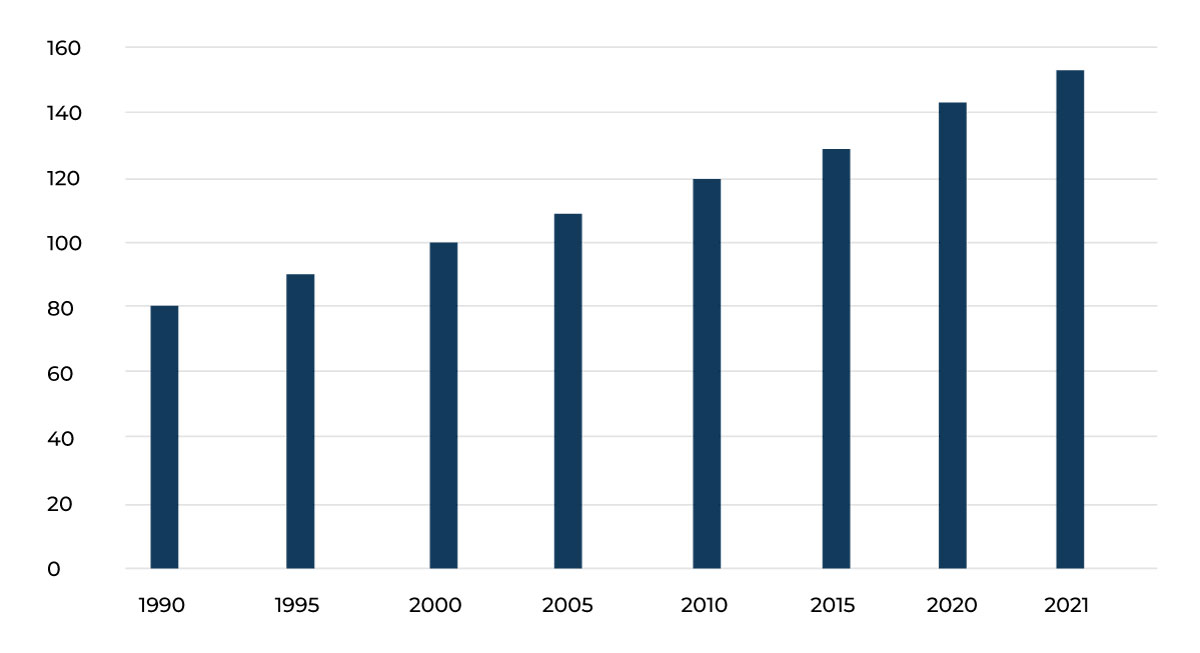
Legionella Cases Increasing Internationally Confirmed Cases
(Rounded to the nearest 10 thousand )
Understanding Legionella
Understanding how Legionella proliferates is crucial for safeguarding public health, as this bacterium thrives in warm, stagnant water within complex water distribution networks, potentially leading to outbreaks of Legionnaires’ disease, a severe and sometimes fatal pneumonia.
Conducting a thorough risk assessment of a facility’s water distribution network is essential to identify vulnerabilities, such as areas with low water flow, inadequate temperature control, or biofilm buildup, where Legionella can multiply.
By pinpointing these risks, businesses can prioritize targeted interventions, ensuring compliance with health regulations and protecting occupants, particularly in high-risk settings like hotels, hospitals, and office buildings.
Our company’s specialized expertise in Legionella risk assessments and tailored written plans empowers facilities to proactively address these hidden dangers, fostering safer environments and mitigating liability.

Risk assessment of a water distribution network
A Legionella risk assessment is a systematic process designed to identify and evaluate potential hazards within a facility’s water distribution network that could enable Legionella bacteria to proliferate.
It begins with a detailed inspection of the water system, including cooling towers, hot and cold-water storage, pipework, and outlets like showers or faucets, to map areas prone to stagnation, biofilm formation, or temperatures conducive to bacterial growth (typically 20–50°C).
The assessment involves reviewing water management practices, analyzing system schematics, and testing water samples for Legionella presence or conditions that support its growth.
Key risk factors, such as system complexity, occupant vulnerability, and maintenance gaps, are documented, and findings are compiled into a comprehensive report prioritizing risks and recommending control measures. This tailored process ensures facilities can effectively address Legionella threats, enhancing safety and regulatory compliance.
Facility specific written plans
Following a Legionella risk assessment, a facility-specific written plan is mandated to address identified risks and ensure ongoing compliance with South African regulations, notably the South African National Standard (SANS) 893-1:2017, which outlines requirements for Legionella control in water systems. This tailored plan details precise procedures to prevent biofilm build-up, bacterial proliferation, and conditions conducive to Legionella growth, such as maintaining water temperatures outside the 20–50°C range, ensuring regular water flow to avoid stagnation, and scheduling routine cleaning and disinfection of system components like storage tanks and outlets. It also specifies monitoring protocols, including regular water sampling and testing, and assigns responsibilities for maintenance tasks to designated personnel.
By adhering to SANS 893-1 and the Occupational Health and Safety Act (No. 85 of 1993) – which emphasizes safe workplace environments – the plan mitigates health risks, ensures regulatory compliance, and protects vulnerable occupants in facilities like hospitals, hotels, or offices.
The facility specific risk assessment and written plans are both documents that serve as verifiable evidence of compliance during regulatory inspections or audits, showcasing due diligence in maintaining safe environments. By documenting risk evaluations, control measures, and ongoing monitoring, they protect facility owners from legal liabilities, fines, or penalties while safeguarding occupants, particularly in high-risk settings like healthcare facilities, commercial buildings, hospitality and industrial operations.